Laccase Enzyme for Textile, Pulp, Wastewater & Food Applications | Oxyloom
Oxyloom supplies industrial laccase with application-led process guidance for textiles, pulp and paper, phenolic wastewater, wine, plant extracts, and oxidative bioprocessing.
Laccase enzyme for controlled industrial oxidation
Oxyloom is built around one catalytic idea: using oxygen to make oxidation cleaner, more selective, and easier to integrate into industrial processes.
Laccase (benzenediol:oxygen oxidoreductase) is a copper-containing oxidoreductase that acts on phenolic and related aromatic substrates while reducing oxygen to water. For formulation, process, and procurement teams, that means a practical biocatalyst for color modification, fiber treatment, lignin transformation, phenolic removal, and stabilization workflows where harsh chemical oxidants are undesirable.
Oxyloom supplies laccase for B2B development and production use, with technical support focused on substrate fit, operating window, oxygen transfer, mediator strategy, compatibility, and scale-up behavior.
What laccase does
Laccase catalyzes single-electron oxidation of susceptible substrates. In practical terms, it can:
- Oxidize phenols, polyphenols, anilines, and selected aromatic compounds
- Promote coupling, polymerization, depolymerization, or insolubilization depending on substrate chemistry
- Modify chromophores in dyes, natural extracts, pulp streams, and fermentation-derived materials
- Support delignification, fiber surface activation, and effluent polishing
- Operate with molecular oxygen as the terminal electron acceptor
The result is not one generic reaction. It is an application-dependent oxidative platform. Performance depends on substrate structure, pH, temperature, dissolved oxygen, residence time, enzyme dose, additives, and the presence or absence of redox mediators.
Where Oxyloom laccase is used
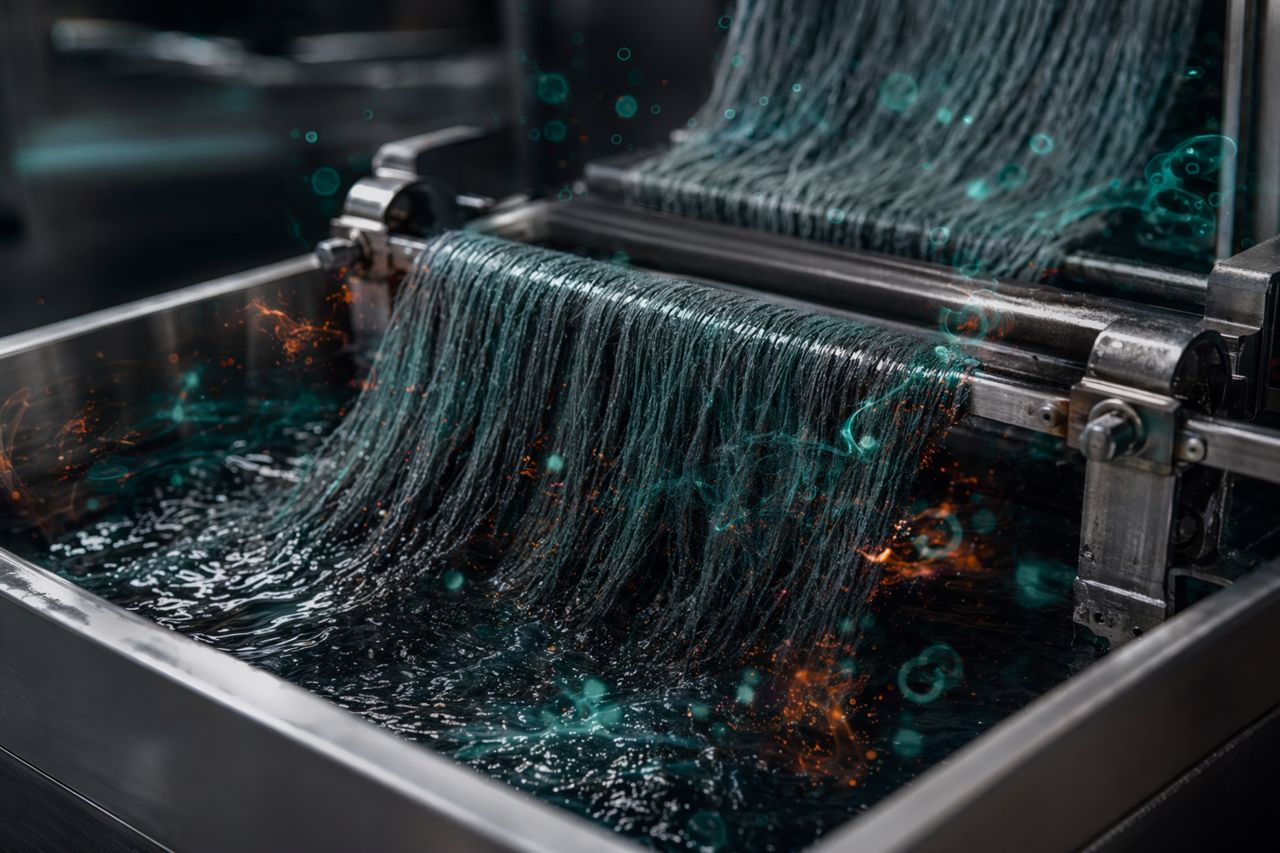
Textile and denim processing
Laccase can support enzymatic color adjustment, indigo modification, backstain control strategies, and oxidative finishing concepts. It is commonly evaluated where mills want a softer chemical profile, tighter shade development, or improved wastewater burden compared with conventional oxidants.
Typical development questions include:
- Which dye or chromophore is the true substrate?
- Is the target effect color removal, tone shift, surface cleanup, or backstain reduction?
- Does the formulation need a mediator, surfactant, stabilizer, or sequestrant?
- Can the enzyme step be inserted into an existing wash, rinse, or finishing sequence?
Oxyloom supports screening against real fabric, liquor, dye, and process water samples rather than relying on abstract model substrates.
Pulp, paper, and lignocellulosic processing
Laccase is relevant where lignin-rich streams require oxidative modification. In pulp and paper applications, it may be evaluated for delignification support, brightness development, pitch-related challenges, fiber surface activation, and downstream chemical reduction.
For lignocellulosic materials, laccase can help alter lignin structure, improve accessibility, or create reactive surfaces for subsequent processing. Outcomes are strongly matrix-dependent, so pilot work should use representative pulp, consistency, filtrate chemistry, and residence time.
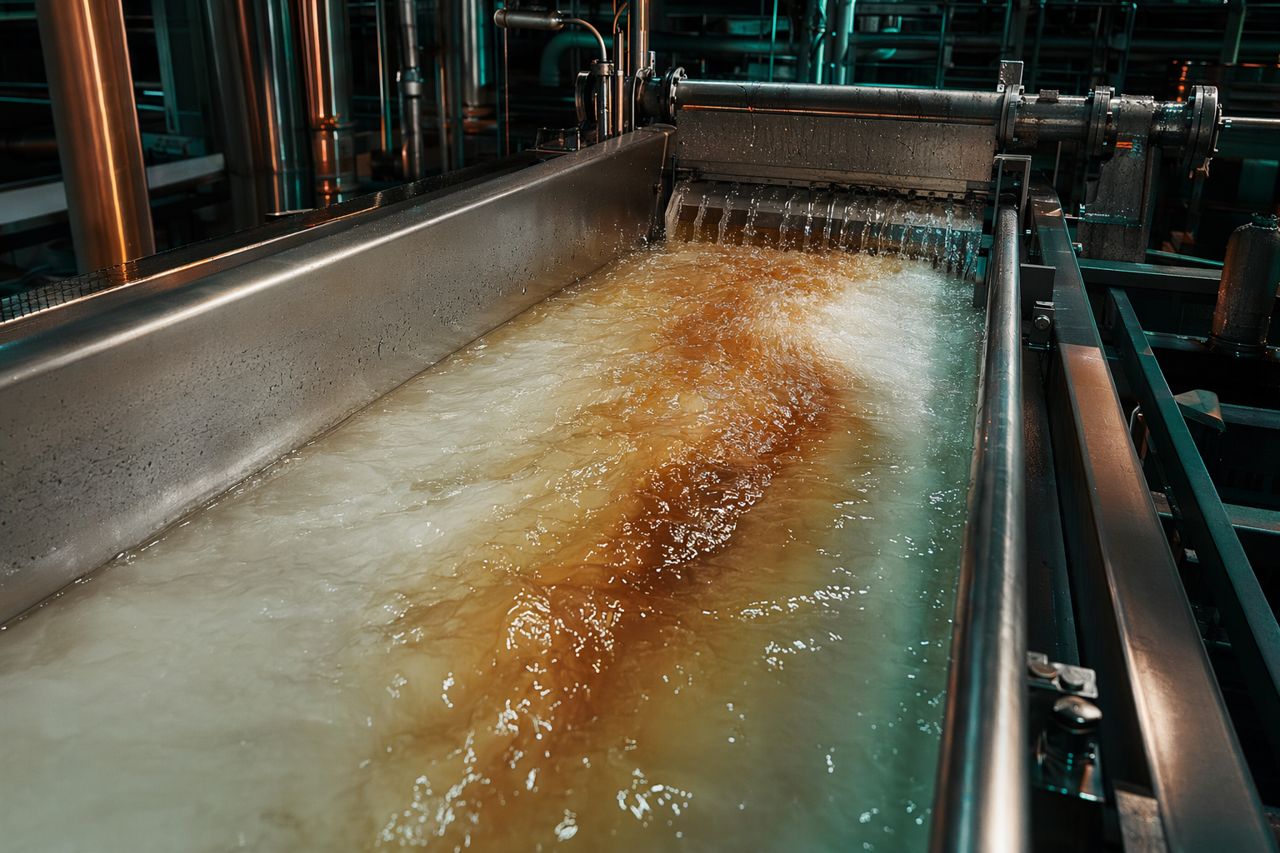
Phenolic wastewater and industrial effluent
Phenolic compounds can be difficult to handle because they may remain soluble, colored, inhibitory, or variable in composition. Laccase can oxidize many phenolic species into larger coupled products that become easier to separate, filter, settle, or polish.
Relevant sectors include:
- Agro-industrial streams
- Olive mill and plant-processing effluents
- Dye and pigment-adjacent wastewater
- Fermentation and extraction side streams
- Wood, pulp, and biomass processing liquors
For effluent work, the practical question is not simply whether oxidation occurs. The key is whether the treated stream becomes easier to clarify, discharge, recycle, or feed into the next treatment stage.
Wine, juice, tea, and plant extract stabilization
Laccase can be used to manage polyphenols, color-active compounds, and oxidative haze precursors in selected beverage and botanical extract workflows. Because flavor, aroma, color, and regulatory expectations are application-specific, Oxyloom treats this as a controlled process-development area, not a one-size-fits-all additive.
Important considerations include:
- Target phenolic profile
- Contact time and removal strategy
- Oxygen exposure
- Filtration behavior
- Impact on color, sensory profile, and shelf stability
- Regional compliance requirements for the intended market
Bio-based materials and specialty chemistry
Laccase can create oxidative coupling reactions that are useful in bio-based coatings, adhesives, films, lignin valorization, and functionalized natural polymers. It is often evaluated as a route to milder processing, lower residual oxidant burden, or more selective surface chemistry.
Process guidance for buyers and process teams
Laccase is powerful when the operating window is designed around the substrate. Oxyloom helps customers define that window before scale-up.
pH and temperature
Many industrial laccase processes operate in mildly acidic to near-neutral conditions, with the most suitable pH depending on the substrate, mediator system, and required reaction profile. Temperature should be selected to balance catalytic rate, enzyme stability, substrate solubility, and plant equipment limits. In many trials, practical screening begins across moderate processing temperatures rather than extreme heat.
Oxygen transfer
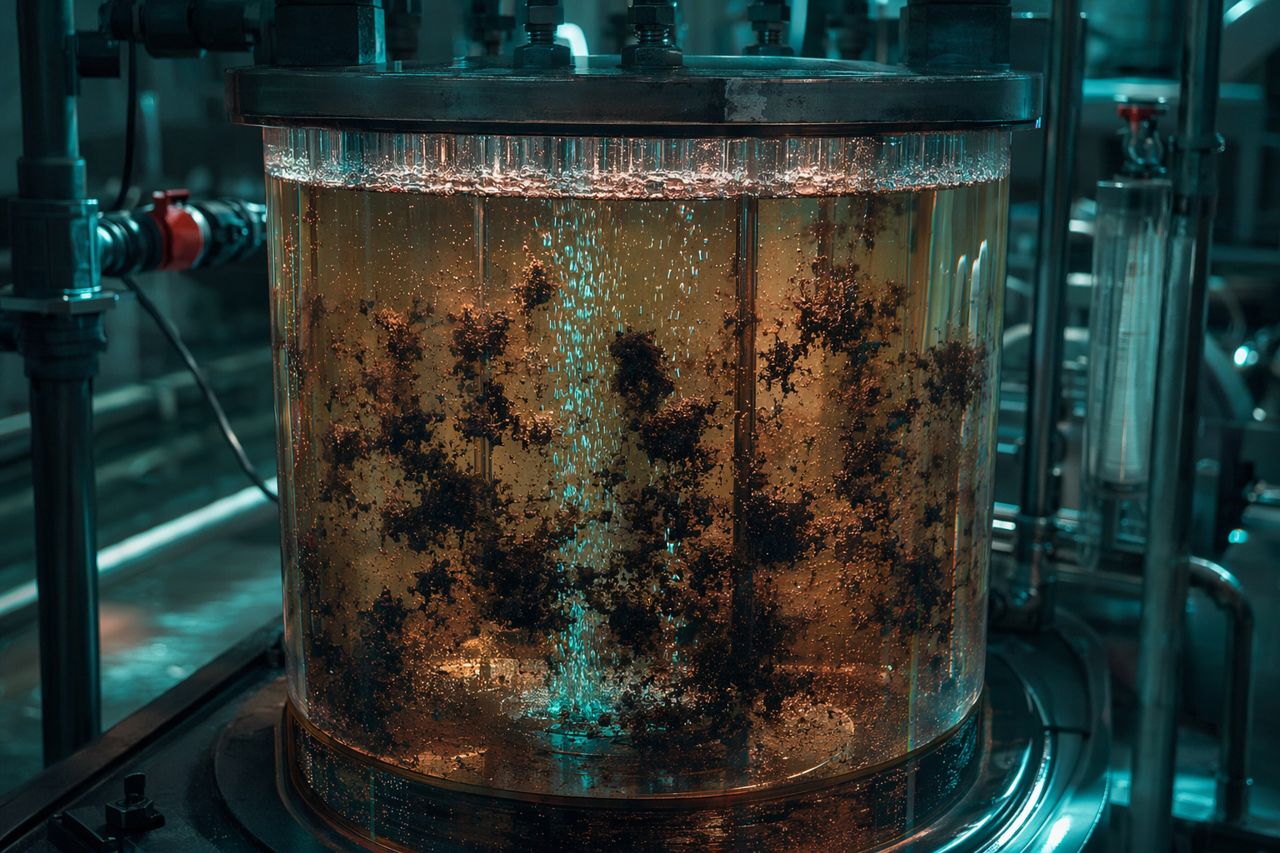
Because laccase uses oxygen, process design should account for air exposure, dissolved oxygen, mixing, headspace, and reactor geometry. Insufficient oxygen can flatten performance even when enzyme and substrate are present. Excessive aeration, however, can create foam, shear, or product-quality issues in sensitive systems.
Mediator strategy
Some substrates are readily oxidized by laccase alone. Others require a redox mediator to extend the reaction to less accessible structures. Mediator choice affects speed, selectivity, residue profile, cost, regulatory acceptability, and downstream treatment. Oxyloom helps customers decide whether a mediator is technically necessary and commercially justified.
Compatibility
Laccase performance can be affected by high solvent levels, strong reducing agents, heavy-metal interactions, extreme salts, aggressive oxidants, surfactant systems, preservatives, and process residues. Compatibility should be checked in the actual formulation or process liquor, not only in clean buffer conditions.
Downstream effects
Oxidation changes the material balance. Coupled phenolics may precipitate. Color bodies may shift rather than disappear. Viscosity, filtration, foam, odor, or solids handling may change. A successful laccase process defines the downstream target in advance: cleaner filtrate, brighter fiber, lower soluble phenolics, improved stability, modified surface behavior, or reduced chemical demand.
How Oxyloom supports development
We work with B2B teams that need more than a catalog line. Typical support includes:
- Application fit review — substrate, process objective, regulatory context, and expected operating conditions.
- Bench protocol design — practical trial structure using customer-representative samples.
- Compatibility screening — pH, temperature, salts, surfactants, solvents, preservatives, and process residues.
- Dose and residence-time mapping — defining the useful process range without disclosing confidential activity methodology.
- Scale-up discussion — oxygen transfer, mixing, hold time, addition point, and downstream separation.
- Supply planning — pack size, lead time, storage, documentation, and production continuity.
Procurement and specification considerations
For sourcing teams, the right laccase is the one that fits the process, not only the one that looks strong on paper. Oxyloom can discuss:
- Liquid or dry presentation options, where suitable
- Recommended storage and handling conditions
- Lot documentation available for industrial purchasing review
- Application-specific formulation guidance
- Pilot and production supply planning
- Confidential technical qualification pathways
We do not publish trader-confidential assay methods or activity-unit comparisons. Instead, we align supply discussions to the customer’s real substrate, equipment, and performance target.
Typical qualification pathway
1. Define the oxidation target
Clarify whether the desired outcome is color change, phenolic reduction, polymer formation, lignin modification, effluent treatability, stability improvement, or surface functionalization.
2. Test representative material
Use the real process stream, textile, pulp, extract, or effluent. Model substrates can be useful for orientation, but they rarely predict full industrial behavior.
3. Screen operating conditions
Map pH, temperature, contact time, enzyme addition point, oxygen exposure, and optional mediator use.
4. Confirm downstream handling
Measure the property that matters commercially: shade, brightness, filtration, solids formation, COD trend, phenolic index, sensory impact, stability, or rework reduction.
5. Move to pilot scale
Pilot trials should reproduce mixing, aeration, residence time, and separation constraints. This is where oxygen transfer and solids behavior often decide the final economics.
Why teams choose Oxyloom
- Single-enzyme focus: We are built around laccase and its industrial use cases.
- Application-led guidance: We start with your substrate and target outcome, not a generic claim.
- Practical process thinking: Oxygen transfer, compatibility, and downstream separation are treated as part of the enzyme system.
- B2B procurement support: Documentation, supply continuity, and qualification planning are part of the conversation.
- Clear confidentiality boundaries: Sensitive activity comparisons and assay details stay off public pages and inside appropriate technical discussions.
Request pricing or a technical quote
Tell us what you are trying to oxidize, modify, stabilize, or remove. Oxyloom will respond with the most relevant laccase format, development guidance, and supply pathway.
Prefer a commercial discussion first? Use the same form and write get pricing in the message field. We will route your request to the appropriate technical and procurement contact.
More from Oxyloom
Laccase for Bioremediation and Micropollutant Oxidation
Laccase for Biosensors and Functional Materials | Oxyloom
Laccase for Cosmetic and Personal Care Formulation Research | Oxyloom
Laccase for Food Processing & Ingredient Modification | Oxyloom
Laccase for Green Oxidation Chemistry | Oxyloom
Laccase for Lignin-Based Biomaterials | Oxyloom
Request pricing & specs
Tell us your application and volume — we reply with pricing and lead time.