

What Is Laccase? A Guide for Industrial Buyers | Laccase Enzyme Solutions
What laccase is, what it does in textile, pulp, wastewater, beverage and materials processing, and what manufacturers and resellers should specify before buying in bulk.
Laccase is an oxygen-driven oxidation enzyme that manufacturers use to modify phenolic and related aromatic compounds. Its proper name, Laccase (benzenediol:oxygen oxidoreductase), describes the chemistry: it takes electrons from suitable substrates and passes them to oxygen, producing water.
For a business buyer the point is practical: laccase gives controlled oxidation without defaulting to harsher chemical oxidants. Mills, finishers, treatment providers and formulators use it to change color, lignin behavior, polyphenol stability, dye chemistry and phenolic load in wastewater. This guide explains what it does and what to specify when you buy it in bulk.
Wholesale and bulk supply. For manufacturers, distributors and resellers. Send the application, quantity and destination; every order is quoted individually. Request a quote
The short answer
Laccase is a multi-copper oxidase that uses oxygen to oxidize phenols, anilines, and certain other electron-rich compounds. The enzyme abstracts electrons from the target molecule. Oxygen accepts those electrons at the enzyme’s copper-active site and is reduced to water.
The result is not one universal product. Depending on the substrate and conditions, laccase can drive:
- Polymerization of phenolic compounds into larger, less soluble structures
- Depolymerization or modification of lignin-associated chemistry under the right system design
- Color change or dye transformation in textile and effluent applications
- Polyphenol reduction for improved stability in beverages and plant-derived extracts
- Surface functionalization of fibers, films, and bio-based materials
How laccase works
Laccase contains copper centers that cycle between oxidation states. Those copper sites are the engine of the reaction. A simplified industrial view looks like this:
- A suitable substrate binds near the enzyme surface.
- Laccase removes an electron from the substrate.
- The substrate becomes a reactive radical or oxidized intermediate.
- Oxygen is reduced to water inside the enzyme’s copper center.
- The oxidized substrate reacts further, often coupling, breaking down, darkening, lightening, precipitating, or becoming easier to separate.
This oxygen-based mechanism is why laccase is attractive in lower-impact processing: oxygen is the terminal electron acceptor, and water is the direct reduction product. The commercial value, however, depends on matching the enzyme to the exact substrate and process window.
What substrates does laccase act on?
Laccase is best known for acting on phenolic compounds, but its practical substrate range can include related aromatics and substituted structures, depending on the enzyme source and formulation.
Common target chemistries include:
- Phenols and polyphenols
- Lignin fragments and lignin-associated structures
- Tannins and plant extractives
- Certain aromatic amines and dye structures
- Phenolic contaminants in process water
- Surface phenolics on natural fibers or bio-based materials
Some compounds are not easily oxidized by laccase alone. In those cases, formulators may evaluate redox mediators. A mediator can shuttle oxidation from the enzyme to a harder-to-reach substrate. This can expand performance, but it also adds questions around cost, regulatory acceptance, residue profile, downstream compatibility, and wastewater behavior.
Where laccase is used industrially
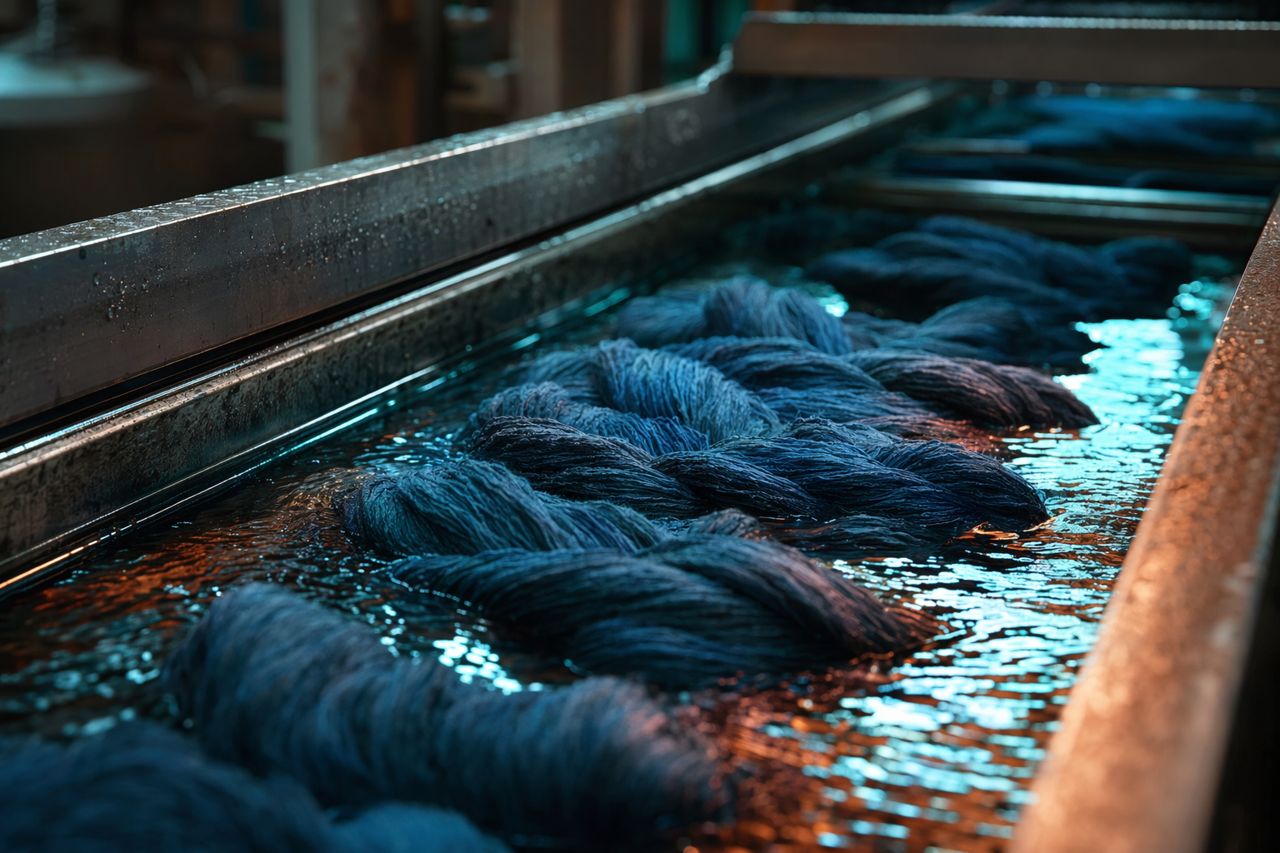
Textiles and denim finishing
In textiles, laccase can support oxidative finishing strategies where color, fiber surface chemistry, or dye residues need to be modified. It is commonly evaluated for:
- Denim shade adjustment and worn-effect development
- Dye decolorization or modification
- Lower-impact aftertreatments
- Fiber surface functionalization
- Processing routes where reduced chemical intensity is a priority
For textile teams, the key variables are fabric construction, dye class, liquor chemistry, pH, temperature exposure, wetting, oxygen transfer, and the desired shade endpoint.
Pulp, paper, and lignocellulosic fiber
Laccase is widely studied and applied around lignin chemistry. In pulp and fiber systems, it may help modify lignin structures, support brightness strategies, reduce reliance on certain chemicals, or prepare fibers for downstream conversion.
Typical evaluation questions include:
- Is the goal lignin modification, brightness improvement, pitch control, or fiber functionalization?
- Is a mediator required, and is it acceptable for the process?
- How will the enzyme interact with residual chemicals, metals, extractives, and process pH?
- What downstream washing, retention, or effluent impacts are expected?
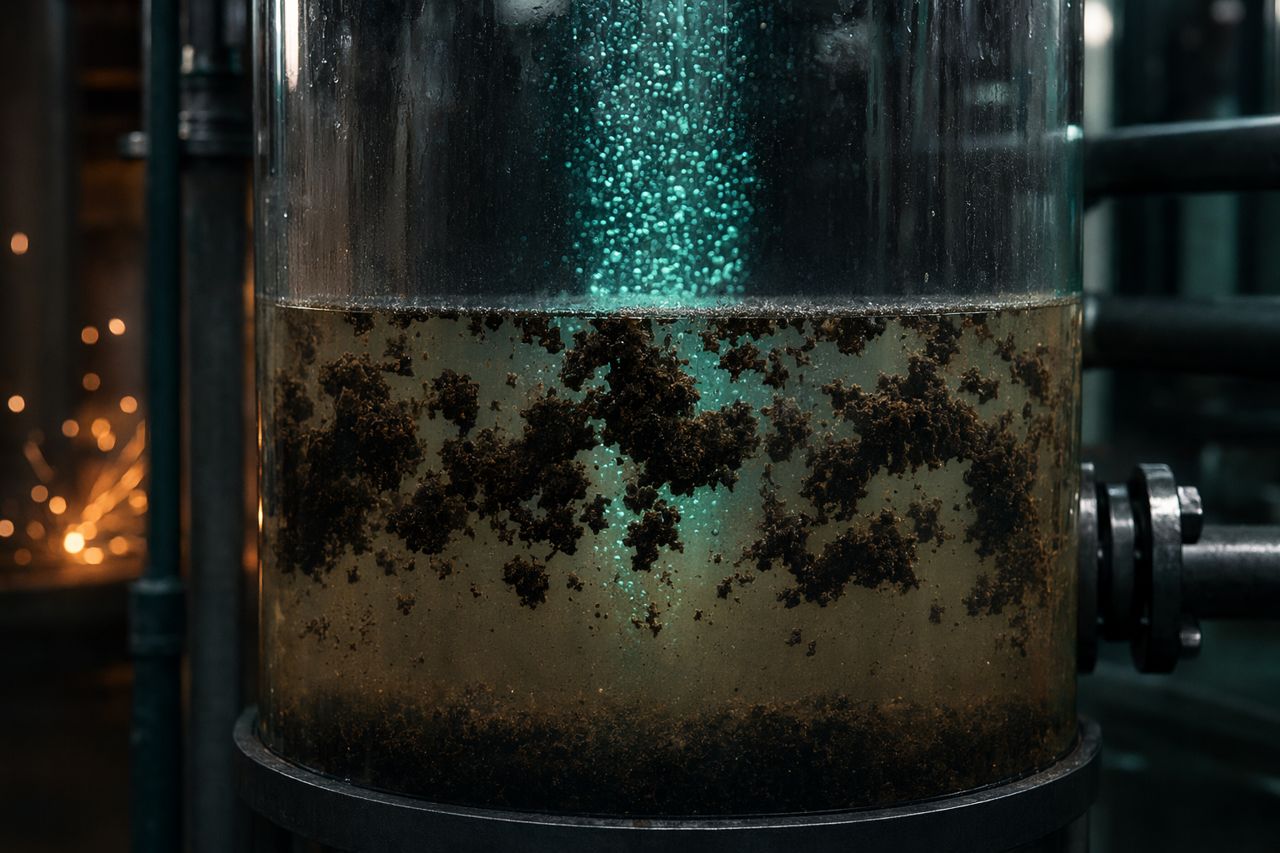
Wastewater and phenolic effluent treatment
Laccase can oxidize phenolic contaminants into reactive species that couple into larger polymers. These larger structures may become easier to separate by settling, filtration, adsorption, or other downstream steps.
Industries evaluating laccase for wastewater often look at:
- Phenolic load and chemical diversity
- Color removal or color transformation
- Sludge formation and separability
- Salinity, surfactants, solvents, and inhibitors
- Whether the treatment is inline, batch, or polishing-stage
Laccase is not a universal wastewater cure. It is a targeted oxidative tool. It performs best when the contaminant class, reaction time, oxygen availability, and separation step are engineered together.
Wine, beverages, and botanical extracts
Polyphenols contribute flavor, color, and antioxidant character, but they can also drive haze, browning, and instability. Laccase can be used or controlled in processes where reactive phenolics need to be managed.
For beverage and botanical applications, the key is precision. Over-oxidation can damage sensory quality or color. A suitable laccase program must consider substrate selectivity, contact time, process pH, oxygen exposure, and the desired sensory or stability endpoint.
Bio-based materials and adhesives
Because laccase can generate phenolic radicals, it can help create crosslinks in lignin-rich or phenolic materials. This has relevance in bio-based adhesives, composites, coatings, and fiber bonding systems.
The commercial question is usually not whether crosslinking can occur. It is whether the resulting material meets specifications for strength, moisture behavior, cure time, color, odor, and cost.
Why laccase matters
Laccase matters because it gives industrial teams a controlled way to use oxygen as a reagent. That can support cleaner labels, reduced chemical intensity, lower-temperature processing, or new material functionality.
The strongest laccase use cases share three traits:
- The target molecule is chemically suited to oxidation.
- The process window supports enzyme activity and stability.
- The downstream system benefits from the oxidized product.
If any of those are missing, laccase may underperform or create side effects such as unwanted darkening, precipitation, viscosity change, or incomplete conversion.
Practical operating factors
Laccase selection is application-specific. Different laccase sources and formulations can behave differently under the same plant conditions.
When screening laccase, technical and procurement teams should define:
- Target substrate: phenol, dye, lignin fraction, tannin, extractive, or mixed effluent
- Desired endpoint: decolorization, polymerization, stabilization, surface activation, or lignin modification
- Process pH: acidic, mildly acidic, neutral, or shifting during the run
- Temperature exposure: steady-state, ramped, hot-fill, wash, or ambient treatment
- Oxygen availability: open tank, aerated system, high-solids slurry, or low-mixing zone
- Contact time: short finishing step, batch hold, inline residence, or extended treatment
- Interfering chemistry: chelators, sulfites, reducing agents, surfactants, solvents, metals, preservatives, or high salt
- Downstream impact: filtration, color, odor, residue, compliance, sensory profile, or material performance
Product format considerations
Laccase may be supplied in liquid, powder, granulated, or immobilized formats depending on the application. Format selection affects handling, dosing equipment, shelf stability, dust control, mixing behavior, and shipping economics.
A procurement-ready laccase specification should include:
- Industry and application
- Substrate or raw material description
- Process pH and temperature range
- Batch size or flow pattern
- Current chemistry being replaced or supplemented
- Required performance endpoint
- Compatibility constraints
- Packaging preference
- Trial timeline and scale-up target
Common misconceptions
Laccase is not just a bleaching enzyme
Laccase can contribute to bleaching or decolorization, but it is better understood as an oxidation enzyme. In some systems it lightens color; in others it darkens, polymerizes, or changes solubility.
Oxygen does not guarantee performance
Oxygen is required, but oxygen transfer can become limiting in dense slurries, high-solids systems, viscous liquids, or poorly mixed tanks. The enzyme can only perform where substrate, oxygen, and suitable conditions meet.
Mediators are powerful, but not automatic
A mediator can extend the reach of laccase chemistry. It can also complicate approvals, cost, odor, residues, and downstream water treatment. Mediator choice should be treated as part of the formulation, not an afterthought.
The same laccase will not fit every industry
A textile application, a pulp application, and a beverage stabilization application may require different laccase properties. Source, formulation, purity profile, stabilizers, and operating tolerance all matter.
Request a quote for bulk laccase
Laccase Enzyme Solutions supplies laccase wholesale to manufacturers, mills, formulators, distributors and resellers. Price, pack size and lead time are quoted per order.
To get a quote, send:
- the product or application (for example denim finishing, pulp bleaching support, phenolic effluent or beverage stabilization)
- the quantity you need per order, or your expected monthly volume
- the destination country
- liquid or powder preference, and process pH and temperature if known
Request a quote through the inquiry form
Key takeaway
Laccase is a copper-based oxidase that turns oxygen into a practical industrial tool. Its value comes from controlled oxidation: modifying phenols, dyes, lignin, tannins, and related aromatics in ways that can improve processing, stability, separation, or material function. The best results come from matching the enzyme to the real substrate and operating window.

More from Laccase Enzyme Solutions
Laccase for Bioremediation and Micropollutant Treatment: Bulk Supply | Laccase Enzyme Solutions
Laccase for Biosensors and Functional Materials | Laccase Enzyme Solutions
Laccase for Cosmetic and Personal Care Formulation Research | Laccase Enzyme Solutions
Laccase for Food Processing & Ingredient Modification | Laccase Enzyme Solutions
Laccase for Green Oxidation Chemistry | Laccase Enzyme Solutions
Laccase for Lignin-Based Biomaterials | Laccase Enzyme Solutions
Request pricing & specs
Tell us your application and volume — we reply with pricing and lead time.
We have received your message. We will reply by email.