

Laccase for Lignin Modification | Technical Application Guide
Application-led guidance on using Laccase (benzenediol:oxygen oxidoreductase) for lignin oxidation, pulp and paper treatment, biomass processing, and lignin-based biomaterials.
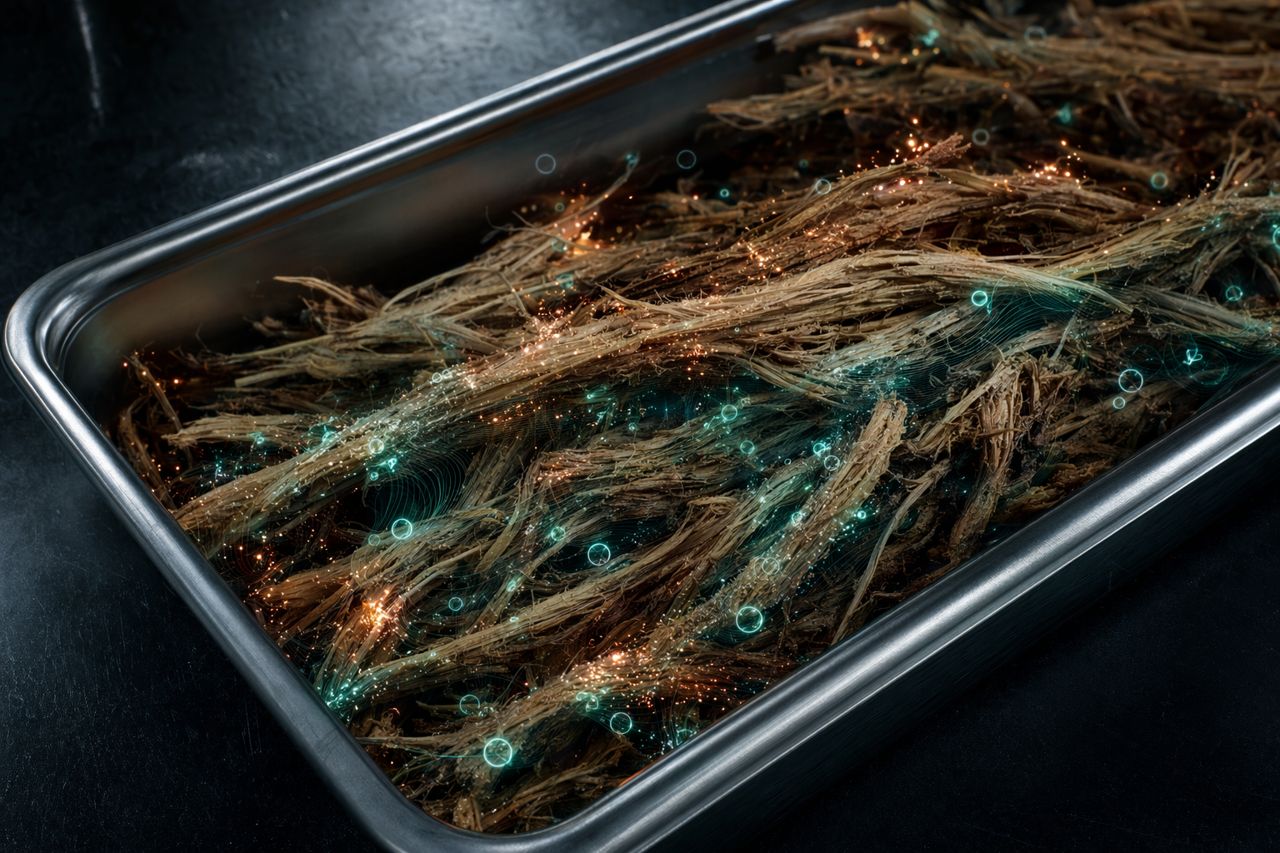
Lignin is chemically stubborn by design. It protects plant structure through aromatic complexity, crosslinking, and resistance to simple hydrolysis. Laccase gives process teams a cleaner way to work with that complexity: it uses oxygen as the terminal electron acceptor and turns selected lignin structures into reactive radicals that can be coupled, grafted, repolymerized, or made easier to separate.
For pulp, paper, biomass, and biomaterials teams, the value is not simply “lignin breakdown.” The industrial opportunity is controlled oxidative modification — changing how lignin behaves in a fiber stream, extract, slurry, coating, binder, or side-stream without defaulting to harsh chemistry.
This guide is for pulp and paper mills, biorefineries, biomass processors and biomaterials manufacturers, and for the distributors and resellers who supply them, when they are deciding whether and how to buy laccase for lignin work.
Wholesale and bulk supply. For manufacturers, distributors and resellers. Send the lignin stream and target change, the quantity you need and the destination country; every order is quoted individually. Request a quote
What laccase does to lignin
Laccase, properly described as Laccase (benzenediol:oxygen oxidoreductase), is a multicopper oxidoreductase. In lignin applications, it catalyzes one-electron oxidation of phenolic lignin units and related aromatic compounds. The resulting radicals can follow several pathways depending on substrate structure, oxygen availability, solids content, pH, temperature, residence time, and whether a mediator chemistry is used.
Common outcomes include:
- Phenolic oxidation of lignin surface groups
- Radical coupling that increases molecular weight or improves binding behavior
- Grafting reactions between lignin, fibers, and selected functional molecules
- Partial depolymerization or solubilization when paired with suitable mediator systems
- Reduced extractives, odor, or color-forming phenolics in certain process streams
- Improved lignin reactivity for bio-based materials, dispersants, coatings, or resins
The same enzyme can support very different process goals. The formulation question is therefore not “Does laccase modify lignin?” but “Which lignin structures should be oxidized, and what reaction path do we want after oxidation?”
Why industrial teams use laccase in lignin workflows
Laccase is attractive because it works under comparatively mild aqueous conditions and uses oxygen rather than stoichiometric chemical oxidants. In industrial settings, that can support lower chemical load, simpler downstream handling, and more selective treatment of lignin-rich fractions.
Typical drivers include:
-
Fiber and pulp performance
Laccase can alter residual lignin on pulp fibers, support bleaching sequences, reduce certain chromophores, and enable fiber surface activation before wet-end or coating steps. -
Biomass pretreatment
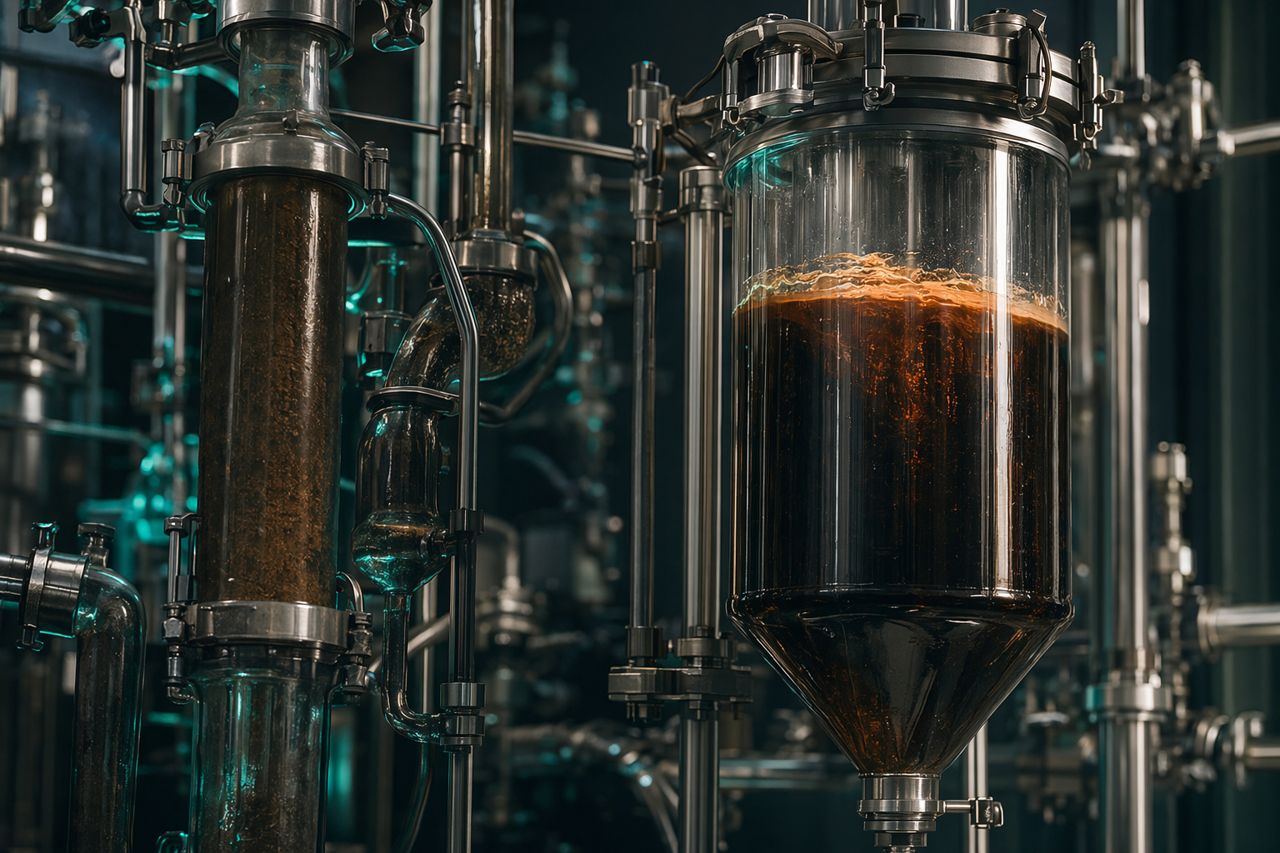
In lignocellulosic processing, laccase can help modify lignin barriers that limit access to cellulose and hemicellulose. It is often considered where teams want a biological or hybrid pretreatment step rather than a purely chemical one. Once lignin barriers are modified, the cellulose still has to be hydrolyzed, which this page on cellulase for cellulose hydrolysis covers for bioethanol saccharification of agricultural residues. -
Lignin valorization
Technical lignins from kraft, soda, organosolv, hydrolysis, and biorefinery streams vary widely. Laccase can tune phenolic content, molecular weight distribution, dispersibility, and compatibility with polymers or binders. -
Bio-based materials
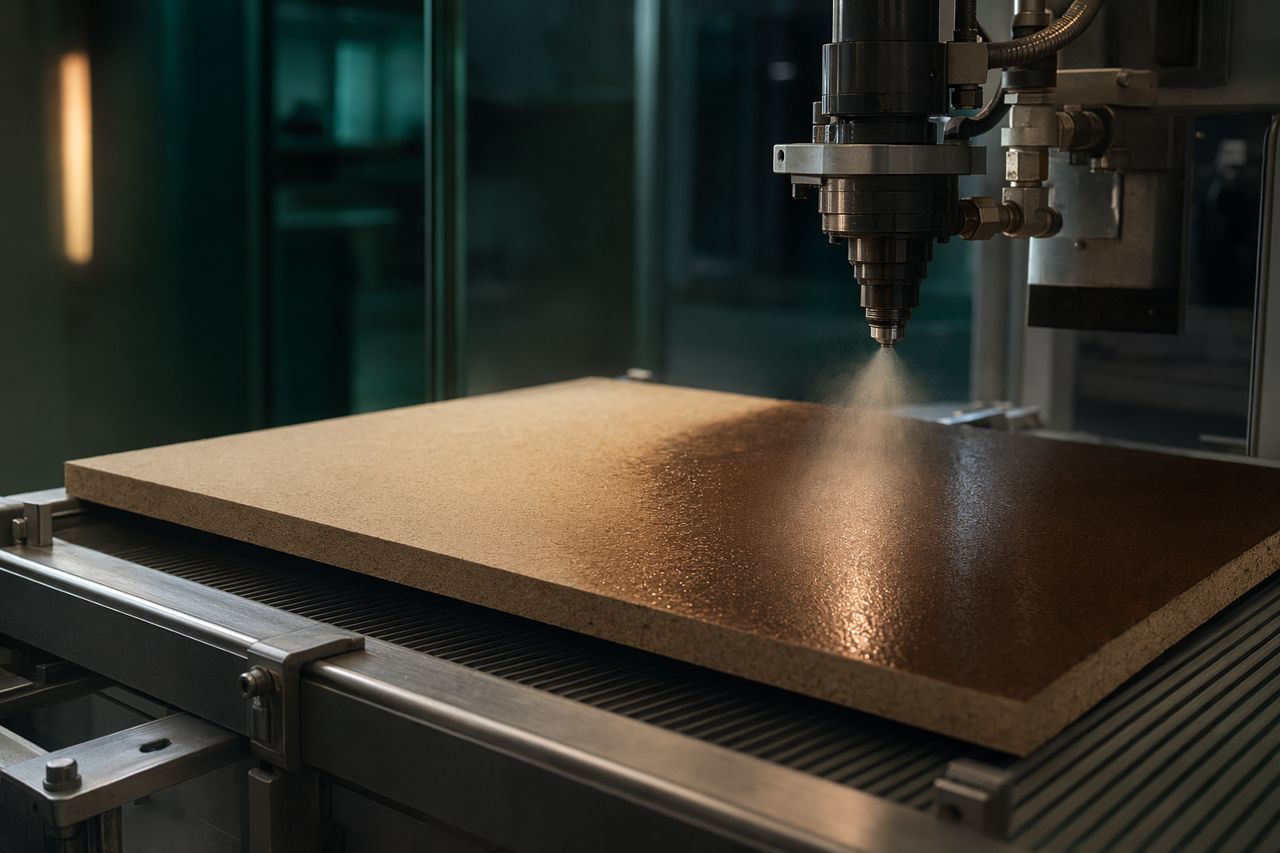
Laccase-mediated coupling can support lignin-containing adhesives, paper strength additives, fiberboards, coatings, hydrogels, composites, and surface-functionalized fibers. -
Phenolic side-stream management
Some wastewater and extract streams contain phenolics that can be oxidized into less soluble polymeric material, supporting separation or reducing reactivity in downstream systems.
Key mechanisms: oxidation, coupling, and mediator-assisted reach
Direct oxidation
Laccase directly oxidizes phenolic lignin moieties. These are the more accessible entry points in many lignin streams. Direct oxidation can generate phenoxy radicals that couple with other radicals, proteins, carbohydrates, or introduced functional groups.
This route is often useful when the goal is:
- Surface activation of lignin-rich fibers
- Increased binding or cohesion
- Polymerization of low-molecular phenolics
- Reduced free phenolic content
- Mild modification without aggressive chemistry
Mediator-assisted oxidation
Native lignin contains non-phenolic structures that are less accessible to direct laccase oxidation. Mediators can extend the oxidative reach of laccase by forming smaller redox-active intermediates that diffuse into less accessible lignin regions.
Mediator choice is a major process decision. It affects cost, regulatory position, selectivity, color formation, downstream purification, worker handling, and whether the system is suitable for paper, packaging, food-adjacent, or biomaterial use.
Use mediator chemistry when the process target requires deeper lignin modification, broader aromatic oxidation, or improved delignification potential. Avoid it when simplicity, residue control, or label position is more important than maximum oxidative reach.
Where laccase fits in pulp and paper
In pulp and paper, laccase can be evaluated as a treatment step for residual lignin, fiber surface activation, pitch and extractives management, and functional grafting.
Potential application points include:
- Before or within bleaching sequences to reduce the burden on downstream chemistry
- After mechanical or chemical pulping to modify lignin-rich fiber surfaces
- In recycled fiber processing where phenolic contaminants, color bodies, or extractives affect performance
- Before strength or barrier treatments to create more reactive fiber surfaces
- In specialty papers where enzymatic grafting can support wet strength, hydrophobicity, or functional coatings
The best fit depends on furnish type, residual lignin level, process pH, retention time, oxygen transfer, and the tolerance of the mill system to added mediator or reaction by-products.
Laccase for technical lignin upgrading
Technical lignins are not interchangeable. Kraft lignin, lignosulfonate, organosolv lignin, soda lignin, and hydrolysis lignin each present different solubility, sulfur content, molecular weight, ash level, phenolic content, and reactivity.
Laccase can be used to modify these lignins for:
- Bio-based phenolic resins
- Polyurethane and epoxy additives
- Dispersants and surfactant-like materials
- Paper and board binders
- Wood composites and fiberboard
- Coatings, films, and barrier layers
- Carbon material precursors
- Soil and agricultural formulations
A successful program starts with a lignin fingerprint. Source, extraction history, pH solubility, insoluble fraction, and target end-use should guide enzyme grade, process conditions, and whether the desired direction is polymerization, activation, grafting, or controlled fragmentation.
Operating window considerations
Laccase performance is shaped by the full reaction environment. For lignin modification, teams should screen around practical plant conditions rather than idealized lab conditions.
Important variables include:
- pH: Many fungal-derived laccases perform strongly in acidic to mildly acidic systems, while some bacterial or engineered options may tolerate broader pH ranges.
- Temperature: Most industrial programs evaluate ambient to moderately elevated process temperatures, balancing reaction rate against enzyme stability and substrate behavior.
- Oxygen availability: Laccase depends on oxygen. Mixing, headspace, aeration, slurry viscosity, and solids loading can determine whether oxidation proceeds efficiently.
- Solids content: High-solids lignin or biomass streams can limit mass transfer. Enzyme contact, dispersion, and mixing energy matter.
- Substrate accessibility: Particle size, lignin solubility, prior pretreatment, and fiber morphology influence results more than enzyme selection alone.
- Mediator policy: Mediator-free systems are simpler. Mediated systems can be more powerful but require tighter downstream and compliance review.
- Residence time: Laccase reactions may continue beyond the initial treatment window if oxygen and reactive substrates remain available.
- Metals and inhibitors: Process liquors can contain metals, sulfur species, residual peroxide, solvents, or high ionic strength that affect enzyme performance.
Practical development approach
For B2B formulation and process teams, laccase selection should be application-led. A good development sequence is:
-
Define the lignin objective
Clarify whether the goal is delignification support, fiber activation, molecular weight increase, phenolic reduction, color control, grafting, or improved compatibility in a material. -
Map the substrate
Document lignin source, dry solids, ash, solubility, pH, phenolic profile, color, odor, and intended downstream use. -
Select direct or mediated chemistry
Start simple when possible. Add mediator screening only when direct oxidation cannot reach the required modification. -
Screen under realistic process conditions
Use plant-relevant pH, temperature, mixing, solids content, residence time, and oxygen exposure. -
Measure application outcomes
Track brightness, kappa-related indicators, drainage, tensile strength, wet strength, viscosity, molecular weight distribution, phenolic content, binding performance, dispersibility, or composite properties — whichever outcomes matter commercially. -
Check downstream compatibility
Confirm that treated lignin or fiber behaves correctly in refining, washing, pressing, drying, curing, coating, filtration, or blending.
Formulation notes for procurement and scale-up
When specifying laccase for lignin modification, procurement should look beyond headline enzyme identity. Ask for the grade and supply format that matches the process reality.
Useful specification discussions include:
- Liquid versus solid format
- Compatibility with the process pH and temperature profile
- Tolerance to salts, solvents, residual oxidants, and metals
- Suitability for pulp, paper, biomass, or biomaterial workflows
- Expected storage conditions and handling profile
- Batch-to-batch consistency requirements
- Mediator-free versus mediator-compatible positioning
- Regulatory and documentation needs for the intended market
Because lignin streams differ so widely, the right laccase grade is usually selected through application screening rather than by enzyme name alone.
Common pitfalls
- Treating lignin as one substrate. Technical lignins behave differently by source and extraction route.
- Ignoring oxygen transfer. Laccase cannot perform well if oxygen is limiting in a viscous or high-solids system.
- Over-focusing on delignification. In many material applications, coupling or grafting is more valuable than removal.
- Using mediators too early. Mediators can complicate compliance, cost, and downstream purification.
- Testing only in clean buffer. Real process liquor often changes enzyme behavior.
- Measuring the wrong endpoint. The target is not enzyme reaction alone; it is pulp quality, material performance, separation, or product value.
Where Laccase Enzyme Solutions supports evaluation
Laccase Enzyme Solutions approaches laccase as a process tool, not a generic catalog item. We help teams evaluate whether Laccase (benzenediol:oxygen oxidoreductase) is best used for direct oxidation, mediator-assisted lignin modification, fiber activation, phenolic control, or lignin upgrading.
Bring us the substrate, the process constraints, and the commercial endpoint. We will help frame a practical screening plan and identify the laccase profile that fits.
Request a quote for laccase
Laccase Enzyme Solutions supplies laccase wholesale to pulp and paper mills, biorefineries, biomass processors, biomaterials manufacturers, distributors and resellers. Price, pack size and lead time are quoted per order.
To get a quote, send:
- the lignin stream or material and the change you need (activation, coupling, grafting or separation)
- the quantity you need per order, or your expected monthly volume
- the destination country
- liquid or powder preference, and process pH and temperature if known
More from Laccase Enzyme Solutions
Laccase for Bioremediation and Micropollutant Treatment: Bulk Supply | Laccase Enzyme Solutions
Laccase for Biosensors and Functional Materials | Laccase Enzyme Solutions
Laccase for Cosmetic and Personal Care Formulation Research | Laccase Enzyme Solutions
Laccase for Food Processing & Ingredient Modification | Laccase Enzyme Solutions
Laccase for Green Oxidation Chemistry | Laccase Enzyme Solutions
Laccase for Lignin-Based Biomaterials | Laccase Enzyme Solutions
Request pricing & specs
Tell us your application and volume — we reply with pricing and lead time.
We have received your message. We will reply by email.