

Laccase for Textile Wastewater Decolorization | Laccase Enzyme Solutions
Evaluate Laccase for enzymatic textile effluent decolorization, phenolic oxidation, and wastewater polishing workflows built around oxygen-driven treatment.
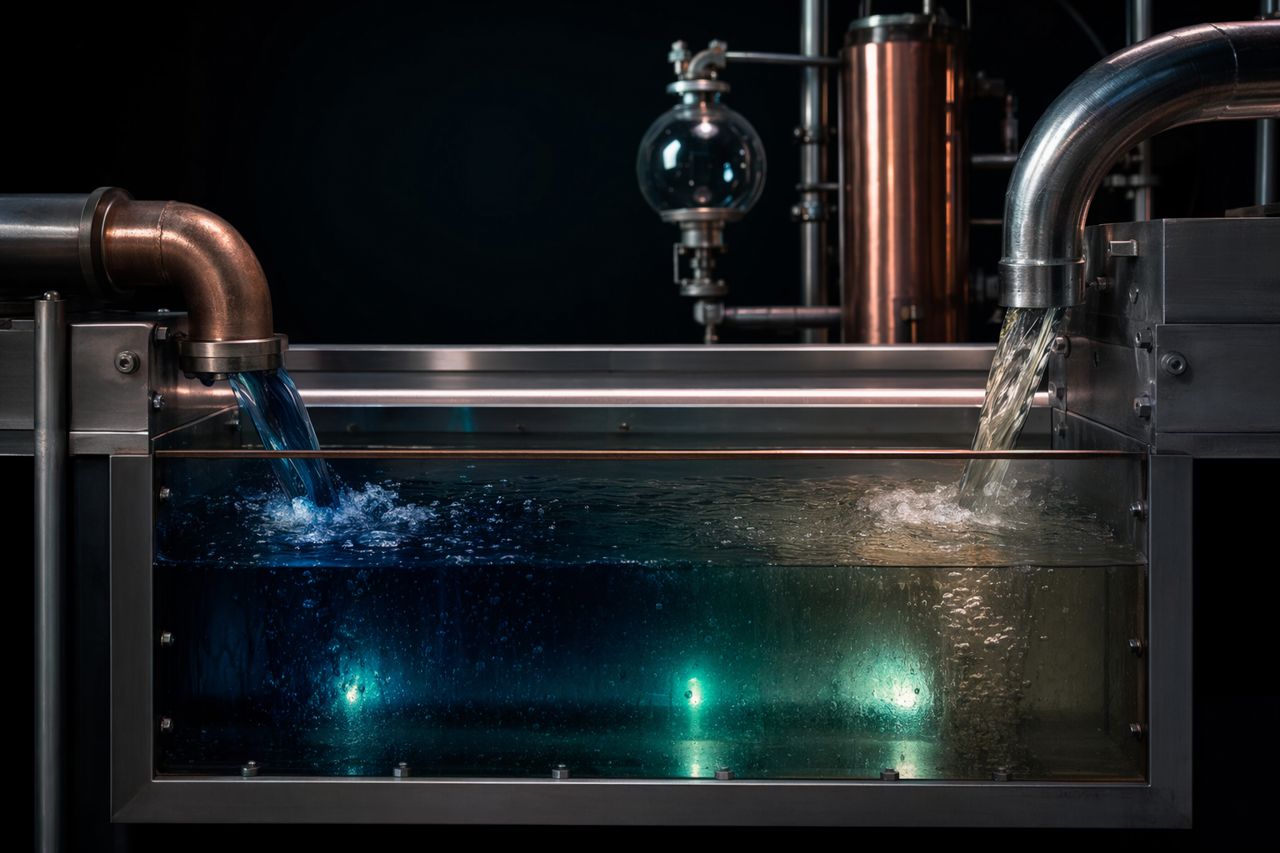
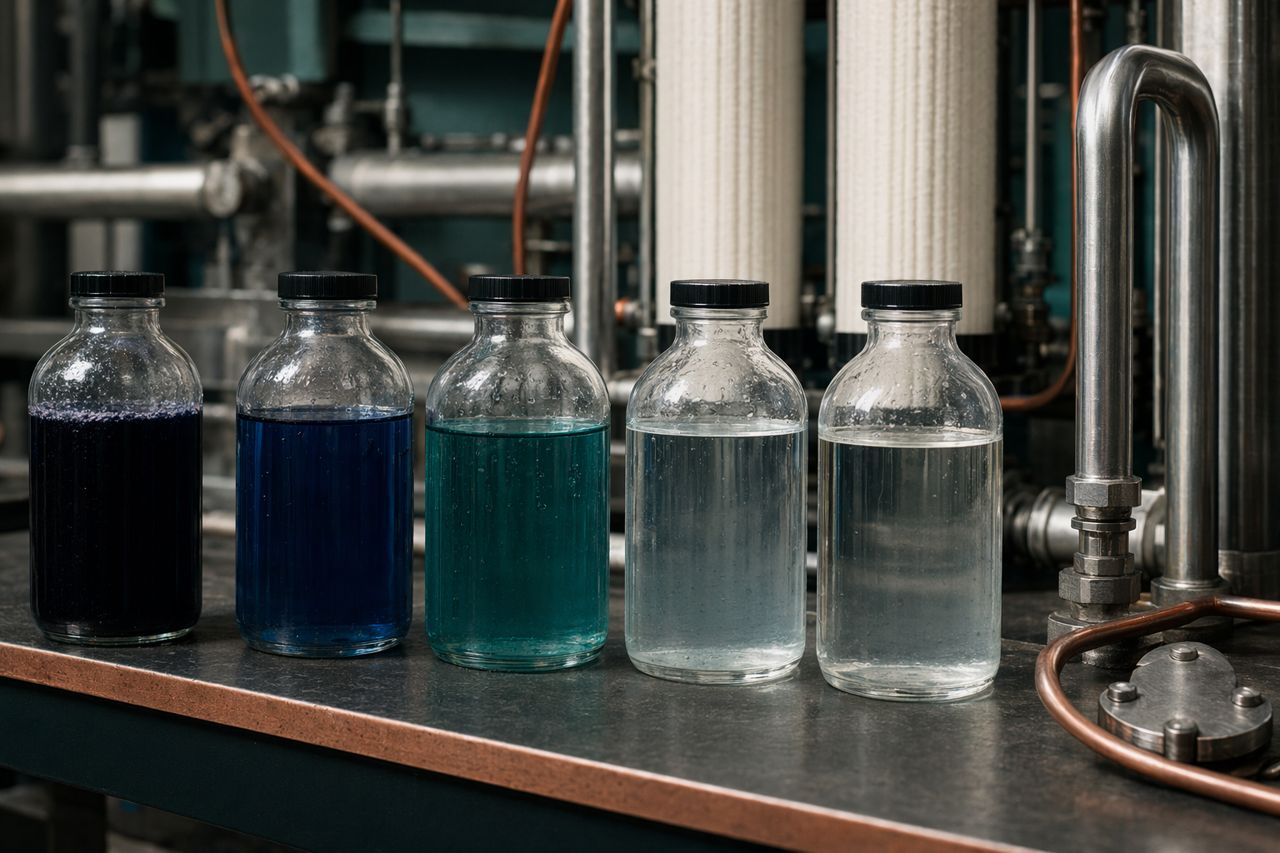
Textile effluent color is not just an aesthetic issue. Persistent dye visibility can affect discharge acceptance, reuse targets, customer audits, and the operating cost of downstream polishing. Laccase supports wastewater teams evaluating enzyme-based oxidation for visible color reduction and treatment of phenolic or aromatic components in dye-house streams.
Laccase (benzenediol:oxygen oxidoreductase) is an oxygen-driven copper oxidoreductase. In practical terms, it helps convert selected electron-rich dye structures, phenolics, and aromatic residues into less soluble, less visibly colored, or more treatable reaction products. For textile wastewater, that makes it relevant as a polishing step, a side-stream treatment, or a pre-treatment before separation, biological treatment, adsorption, or membrane operations.
This page is for dyehouses, textile mills, effluent treatment contractors, water treatment chemical suppliers, distributors and resellers who need a laccase supply for color reduction in dyehouse streams, quoted to their volumes.
Wholesale and bulk supply. For manufacturers, distributors and resellers. Send the effluent profile, the quantity you need and the destination country; every order is quoted individually. Request a quote
Where laccase fits in textile wastewater workflows
Laccase is typically evaluated where conventional treatment leaves residual color or where chemical oxidants add cost, handling burden, or by-product concerns.
Common evaluation points include:
- Post-equalization color reduction before biological treatment
- Polishing after primary solids removal or clarification
- Side-stream treatment of high-color dye bath drains
- Treatment of phenolic or aromatic auxiliaries that interfere with downstream performance
- Pre-polishing before activated carbon, membrane, reuse, or final discharge steps
The best position depends on the effluent profile. Equalized composite wastewater behaves differently from segregated dye bath drains, wash waters, printing effluent, or finishing streams.
Mechanism: controlled oxidation using oxygen
Laccase catalyzes oxidation reactions using dissolved oxygen as the terminal electron acceptor. The enzyme targets suitable electron-rich substrates, including many phenolic compounds and selected aromatic dye-related structures. In textile effluent, the useful outcomes can include:
- Disruption of chromophore systems that drive visible color
- Oxidative coupling or polymerization of soluble phenolics
- Formation of reaction products that are easier to remove by settling, filtration, adsorption, or biological treatment
- Lower reliance on aggressive chemical oxidation in suitable applications
Some dye classes respond directly. Others may require process optimization or an evaluated redox partner. Laccase Enzyme Solutions treats this as an application engineering question, not a one-size-fits-all enzyme claim.
Dye and effluent factors that matter
Laccase performance is strongly tied to the real wastewater matrix. Treatability work should consider:
| Factor | Why it matters |
|---|---|
| Dye class and chromophore chemistry | Reactive, direct, acid, disperse, sulfur, and vat dye residues may respond differently. |
| Effluent blending | Equalized wastewater can dilute inhibitors but also dilute target substrates. |
| pH profile | Laccase generally performs best in mildly acidic to near-neutral conditions, depending on substrate and formulation. |
| Temperature history | Moderate process temperatures are usually preferred; excessive heat can shorten effective enzyme life. |
| Salts and conductivity | Dyeing salts may affect enzyme stability, reaction rate, or downstream separation behavior. |
| Surfactants and finishing aids | Wetting agents, dispersants, softeners, and binders can either interfere with oxidation or change floc behavior. |
| Reducing agents | Residual hydrosulfite, sulfites, or other reductants can compete with the intended oxidation pathway. |
| Suspended solids | Solids may provide adsorption benefits, but they can also mask color readings or bind enzyme. |
Practical operating window
For textile applications, Laccase Enzyme Solutions usually recommends evaluating laccase in a controlled contact stage rather than dosing blindly into a complex treatment train.
A practical screening plan should define:
- Target stream: composite effluent, segregated dye bath, rinse water, or polishing flow
- Contact format: tank, recirculation loop, batch treatment, or side-stream reactor
- pH adjustment strategy and allowable range
- Temperature exposure across the treatment window
- Aeration or oxygen availability
- Mixing intensity and shear profile
- Compatibility with coagulants, flocculants, adsorbents, biological treatment, and membranes
- How color reduction will be judged for operations, compliance, and reuse goals
Because textile wastewater is variable, the most useful data comes from real site samples across production campaigns, not only from single-day grab samples.
What success can look like
A well-matched laccase workflow may help a textile operation achieve:
- Lower visible color in treated effluent
- Reduced color load before final polishing
- Improved handling of phenolic or aromatic residuals
- More predictable performance from adsorption or biological assets
- A treatment route that avoids excessive dependence on harsh oxidation chemistry
- Better defensibility for sustainability, reuse, and customer-facing wastewater programs
Results depend on dye chemistry, wastewater variability, and process design. Laccase Enzyme Solutions supports evaluation through sample review, bench screening guidance, and fit-for-purpose recommendation.
Integration options
1. Segregated high-color side stream
Best for facilities that can isolate concentrated dye drains or problematic shade families. This approach may reduce enzyme consumption by targeting the highest-value fraction before dilution.
2. Post-equalization treatment
Useful when the plant already blends streams and needs a consistent treatment point. Equalization can smooth variability, but competing chemistry must be understood.
3. Pre-biological oxidation
Can be considered where residual dye structures or phenolics affect downstream biology. The objective is to make the feed more compatible, not to replace biological treatment.
4. Final polishing support
Relevant when the main treatment train works, but residual color remains visible before discharge, reuse, membrane feed, or customer audit points.
Recommended evaluation pathway
Laccase Enzyme Solutions keeps qualification practical for process and procurement teams.
- Share the effluent context: dye classes, production mix, pH range, temperature exposure, conductivity, treatment train, and target outcome.
- Screen real samples: compare untreated, enzyme-treated, and process-control samples under realistic contact conditions.
- Check compatibility: confirm behavior with existing coagulants, flocculants, adsorbents, biomass, or membranes.
- Define the use point: choose side-stream, equalization, pre-biological, or polishing placement.
- Build a costed dosing concept: align enzyme consumption, contact time, chemical savings, sludge impact, and operational simplicity.
- Move to plant trial: validate across actual production variation before commercial adoption.
Specification conversations for buyers
When requesting pricing, include as much of the following as possible:
- Wastewater source and textile process type
- Main dye classes and shade families
- Current color challenge and target endpoint
- Existing treatment steps
- Typical pH and temperature range
- Known salts, surfactants, reducing agents, or oxidants
- Whether the stream is segregated or equalized
- Desired supply format and handling constraints
- Trial timing and estimated treatment volume
This lets Laccase Enzyme Solutions recommend the right commercial discussion instead of sending a generic enzyme offer.
Request a quote for laccase
Laccase Enzyme Solutions supplies laccase wholesale to dyehouses, textile mills, effluent treatment contractors, water treatment chemical suppliers, distributors and resellers. Price, pack size and lead time are quoted per order.
To get a quote, send:
- the effluent profile (dye classes, color load) and your current treatment train
- the quantity you need per order, or your expected monthly volume
- the destination country
- liquid or powder preference, and process pH and temperature if known

More from Laccase Enzyme Solutions
Laccase for Bioremediation and Micropollutant Treatment: Bulk Supply | Laccase Enzyme Solutions
Laccase for Biosensors and Functional Materials | Laccase Enzyme Solutions
Laccase for Cosmetic and Personal Care Formulation Research | Laccase Enzyme Solutions
Laccase for Food Processing & Ingredient Modification | Laccase Enzyme Solutions
Laccase for Green Oxidation Chemistry | Laccase Enzyme Solutions
Laccase for Lignin-Based Biomaterials | Laccase Enzyme Solutions
Request pricing & specs
Tell us your application and volume — we reply with pricing and lead time.
We have received your message. We will reply by email.